
Shopify stores designed to sell, not just to look good
We design and build Shopify stores around the pages that make money: product, collection and checkout. Fast, brand-led, easy for your team to run without a developer on call.
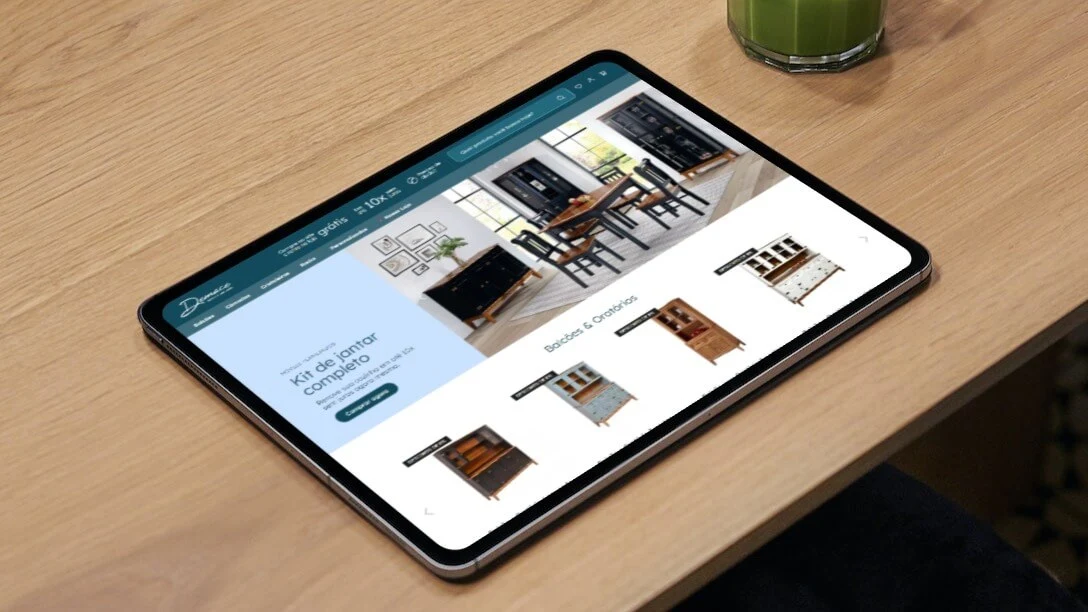
What a Shopify build with us involves
Shopify handles hosting, payments, security and updates. That frees the budget for the part that actually moves revenue: how your store looks, how quickly it loads and how little friction stands between wanting the product and paying for it.
We start with your catalogue and margins, design the product and collection experience around them, then build a theme that your team can edit in plain language.
You launch on a store that is quick, credible and simple to run day to day.
What changes once the store is live
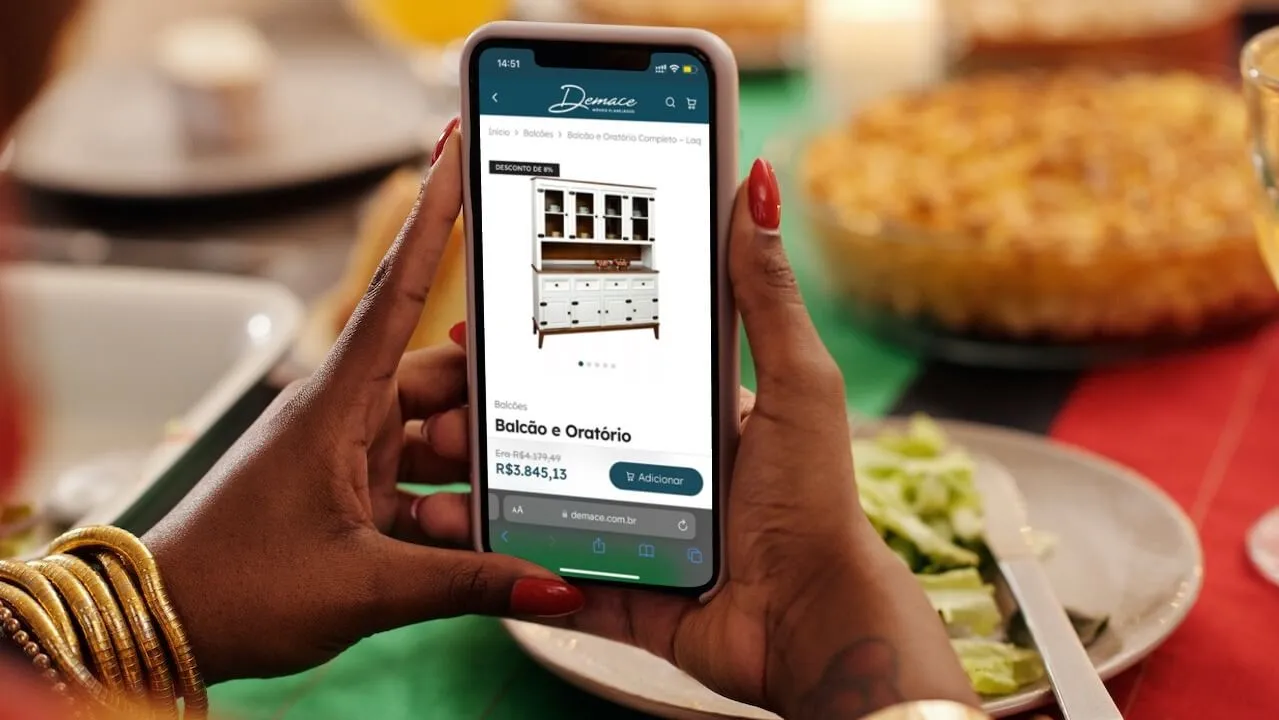
Higher conversion on product pages
Clear pricing, proper imagery, honest delivery information and trust signals where doubt normally kills the sale.
Fewer abandoned carts
A short, fast checkout with the payment methods your customers actually use, tested on real phones.
Less manual admin
Stock, orders, invoicing and shipping labels connected, so growth does not mean more hours in a spreadsheet.
A store your team can run
Editable sections, reusable content blocks and a short handover so campaigns do not wait on us.
Who it is for
Shopify suits brands that want to sell reliably without maintaining infrastructure, and that plan to grow the catalogue over time.
Brands launching their first online store
You have product and demand; you need a store that takes orders properly from day one.
Sellers outgrowing marketplaces
Margins get thin on other platforms. Owning the storefront and the customer relationship changes the maths.
Stores stuck on a bloated theme
Too many apps, slow pages and a design nobody chose. A rebuild is usually cheaper than patching.
Teams that need to move fast
Seasonal drops, campaigns and new collections that need to go live the same week, not next quarter.
What we do and what you receive
Everything needed to open a store that sells: design, build, payments, logistics and the tracking that tells you what works.
Store architecture
Collections, filters and navigation built around how people actually shop your catalogue.
Custom theme design
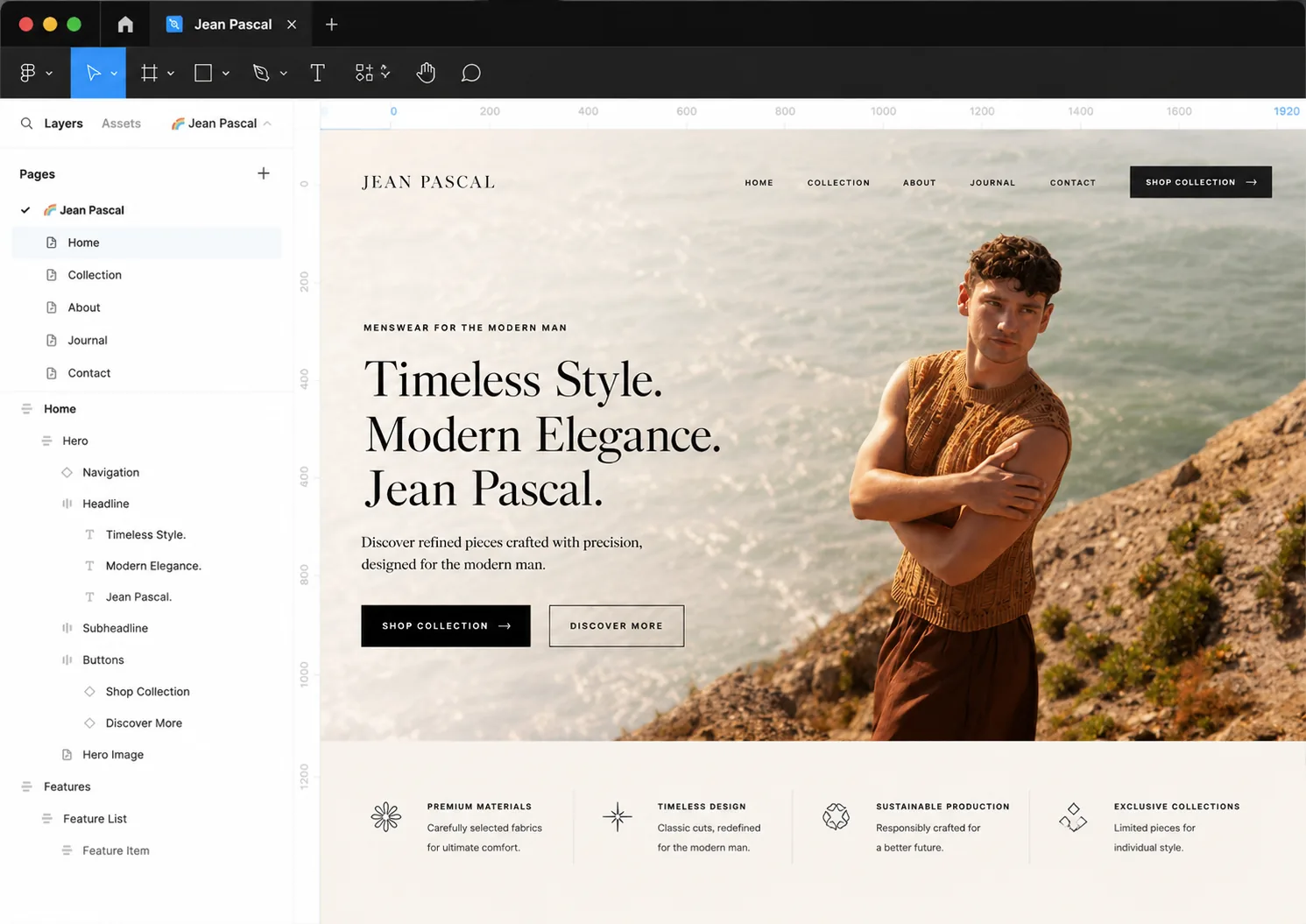
Homepage, collection, product and cart designed to your brand, approved before build.
Checkout & payments
Cards, Apple Pay, MB Way, Multibanco and PayPal configured and tested end to end.
Product data & variants
Clean product structure, options, imagery and copy templates you can repeat at scale.
Shipping & fulfilment
Carriers, rates, zones and pick-up points wired into the order flow.
App & system integrations
Accounting, ERP, email and reviews connected, with as few apps as possible.
Technical SEO
Fast pages, product schema, sitemaps and metadata so collections can rank.
Analytics & tracking
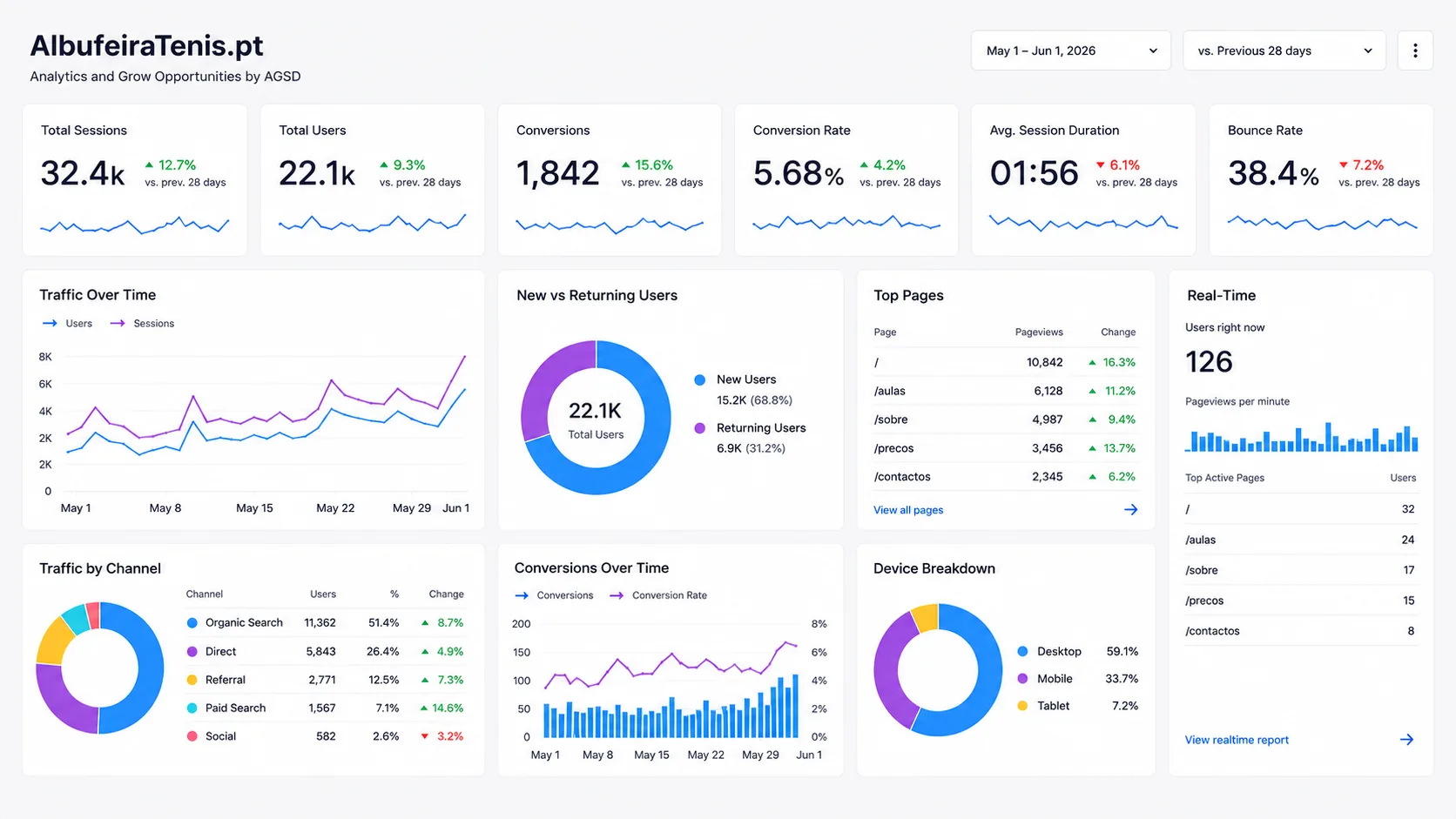
Ecommerce events, ad pixels and consent set up correctly so reporting is trustworthy.
Similar projects
All case studiese-Commerce · Web Development
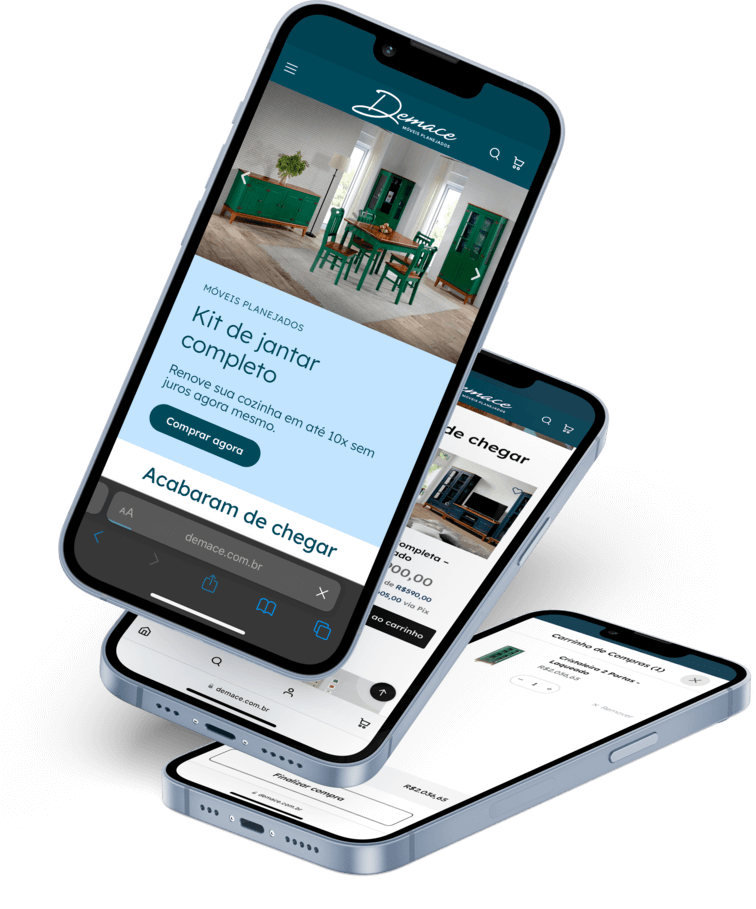
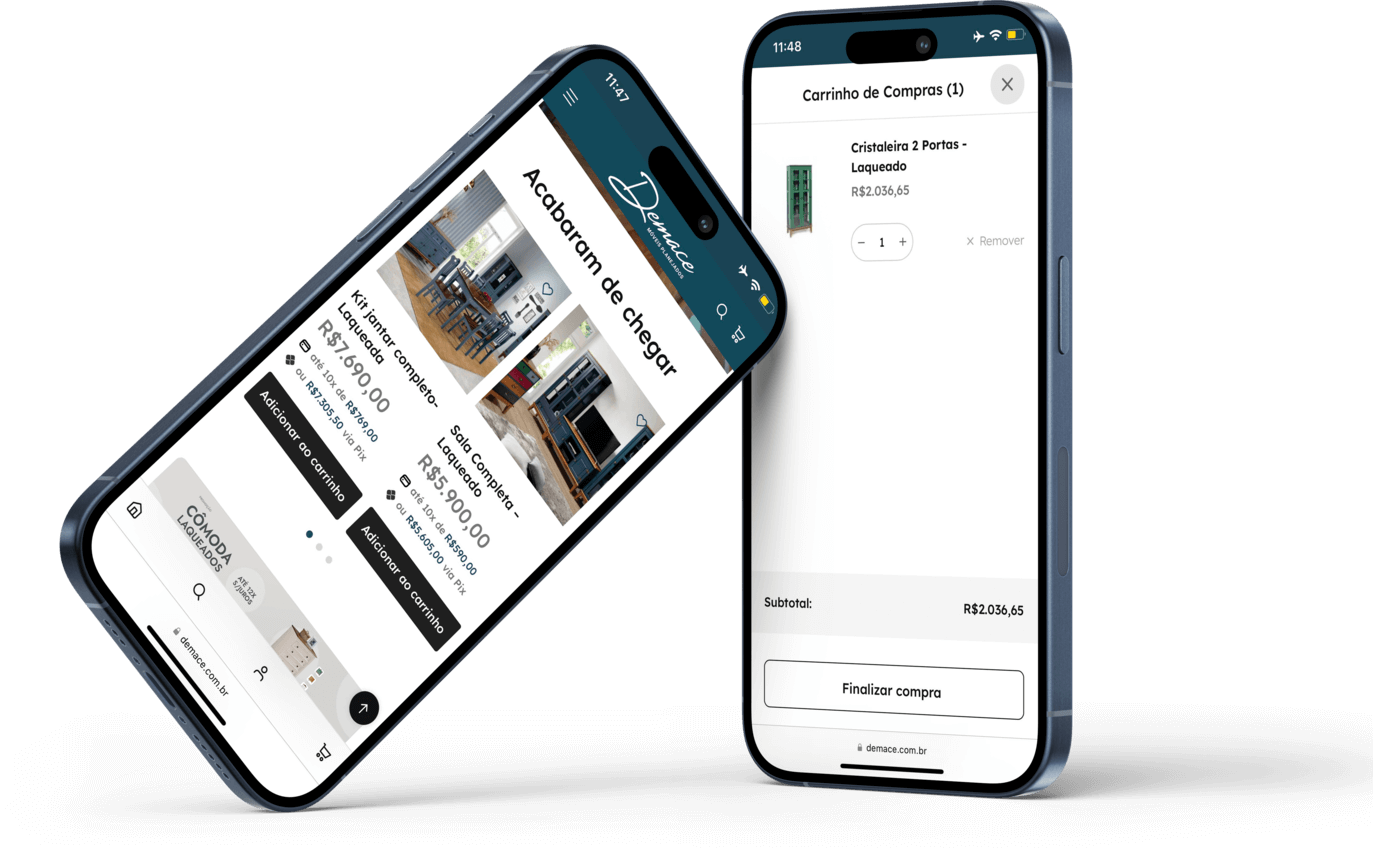
Demace Mobiliário Personalizável
An online furniture store built to sell custom pieces, not just display them.
Read the case study
Brand Creation · Brand Strategy · E-commerce Development
MeuVer
A new optical brand and online store built to sell eyewear from day one.
Read the case study
Our work process
We start by understanding your business: what you sell, who buys it, what gets in the way and what success would look like in twelve months.

A.G.
FaceTime Audio
Frequently asked questions
- Do you use a template or build a custom theme?
- We build on a solid theme foundation and then design the parts that actually sell: homepage, collection, product page and cart. You get a store that looks made for your brand without paying for a full theme rewrite.
- How long does a Shopify build take?
- Most stores launch in five to eight weeks. Larger catalogues, custom product configurators or ERP integrations extend that, and we give you the honest range before you commit.
- Can you migrate our existing store to Shopify?
- Yes. Products, variants, customers, orders and content move over, with URL mapping and 301 redirects so search rankings follow you to the new store.
- Which apps do we actually need?
- As few as possible. Every app costs money and speed, so we recommend only the ones that pay for themselves and build the rest natively where it is cheaper long term.
Start your Shopify store. Get a scope, a price and a date.
Tell us what you sell, how many products and where you ship. Within one working day you get an honest read on scope, timeline and cost.