
Multilingual websites that win customers in every market you sell to
Real localisation, not a translate button. Translated URLs, correct hreflang, content written for each market and a structure that lets every language rank and convert on its own.
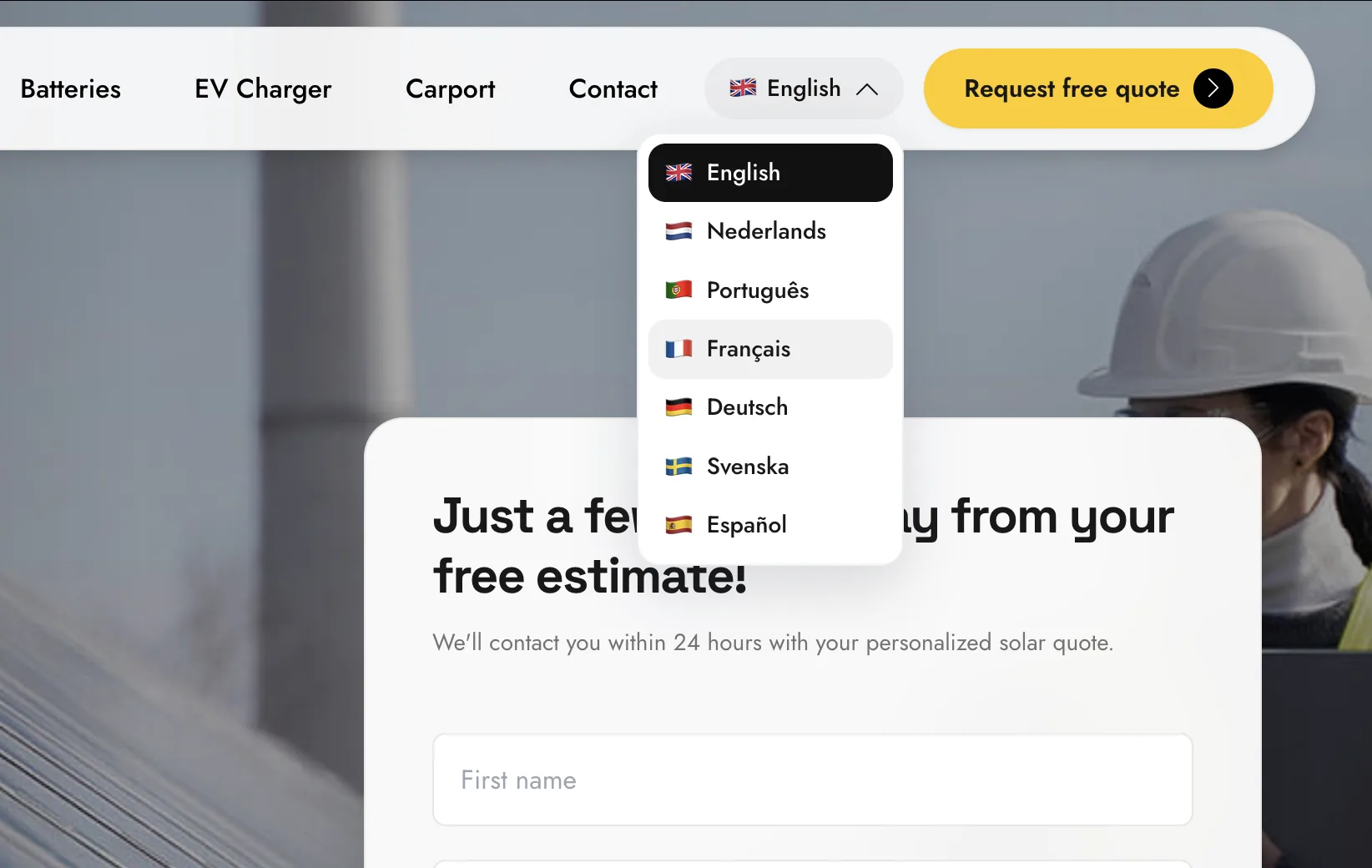
What proper multilingual means
A flag icon in the corner is not an international strategy. Most translated sites lose money because the URLs stay in one language, hreflang is missing or wrong, and the copy reads like software wrote it.
We build language routing into the foundation: each market gets its own indexable URLs in its own language, its own metadata, its own structured content and its own conversion path.
Add a market later and it is a content task, not a rebuild.
What changes when localisation is done right
Each market ranks on its own
Translated URLs plus correct hreflang stop your languages competing with each other in search.
Higher conversion abroad
Buyers act when the price, the tone and the examples belong to their country, not yours.
Fewer support questions
Clear localised content answers in the visitor's language before anyone has to email you.
Cheap to expand
A new language reuses the same architecture, templates and workflows already in place.
Who it is for
If revenue crosses borders, or you want it to, the language layer decides whether that growth is possible or painful.
Exporters and cross-border sellers
You already ship or serve abroad, but the website only really speaks to one market.
Tourism, property and services
Your customers arrive from several countries and choose the provider who speaks their language first.
Businesses with a broken translation plugin
Duplicate URLs, half-translated pages and no visibility in the markets you invested in.
Teams planning European expansion
You want the site ready before the campaign starts, not scrambled together after it launches.
What we do and what you receive
A complete multilingual foundation, from URL strategy to the workflow your team uses to publish in every language.
Language architecture
Locale routing, fallbacks and a structure that scales past the first two languages.
Translated URLs
Real slugs per market, so each page is indexable in the language people search in.
Hreflang & canonicals
Automated, validated tags that keep markets separate and duplication out.
Localisation, not translation
Copy adapted for tone, examples, currency, units and local buying habits.
Local search targeting
Keyword research per market, because the phrase that wins at home rarely wins abroad.
Editorial workflow
Your team edits every language from one admin, with clear status per market.
Regional performance
Global delivery, cached assets and fast loads wherever your buyers are.
Market-specific conversion
Forms, contact routes and calls to action adapted to how each market prefers to buy.
Similar projects
All case studies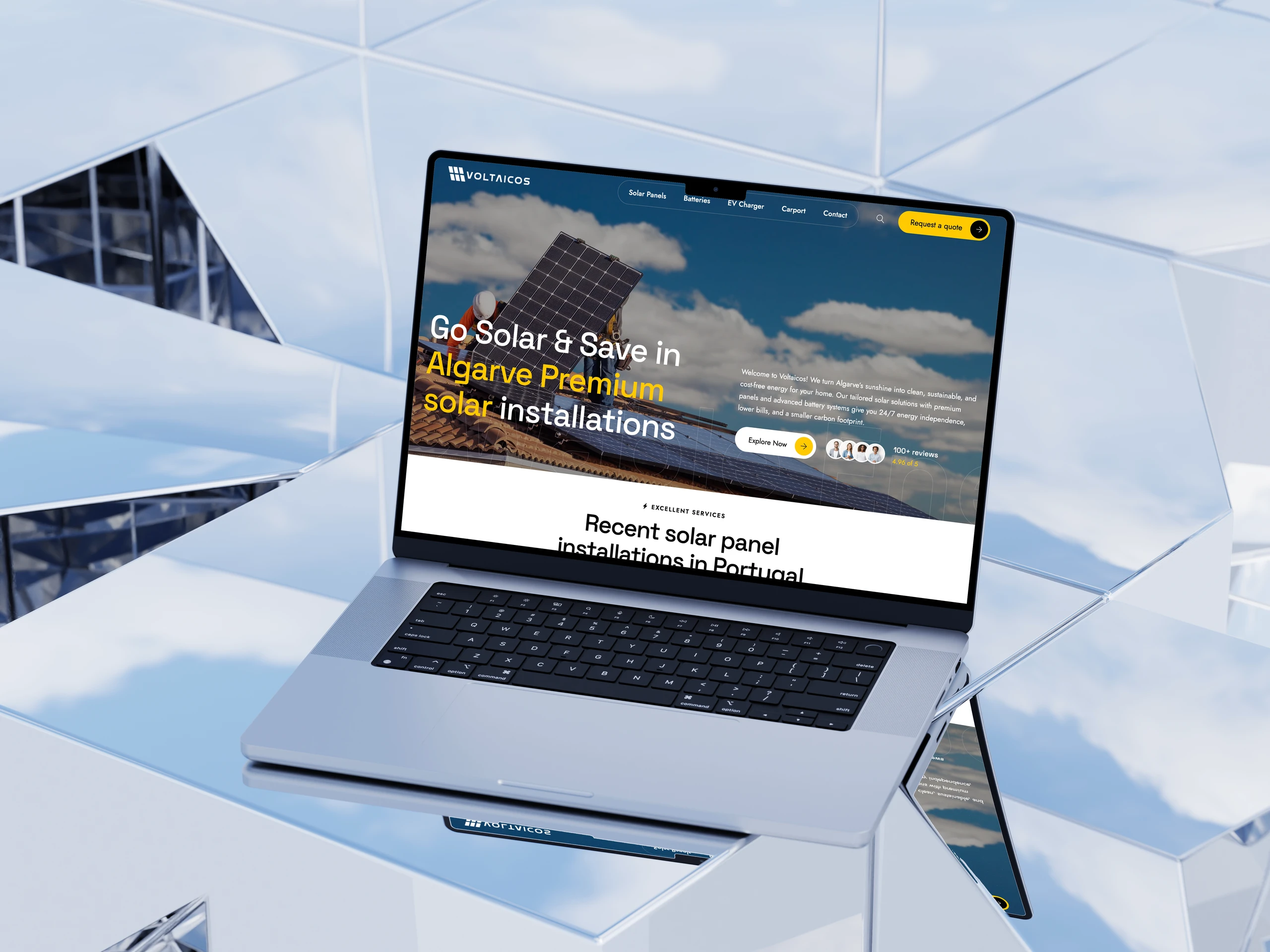
Product Strategy · UX Research · Full-Stack Development
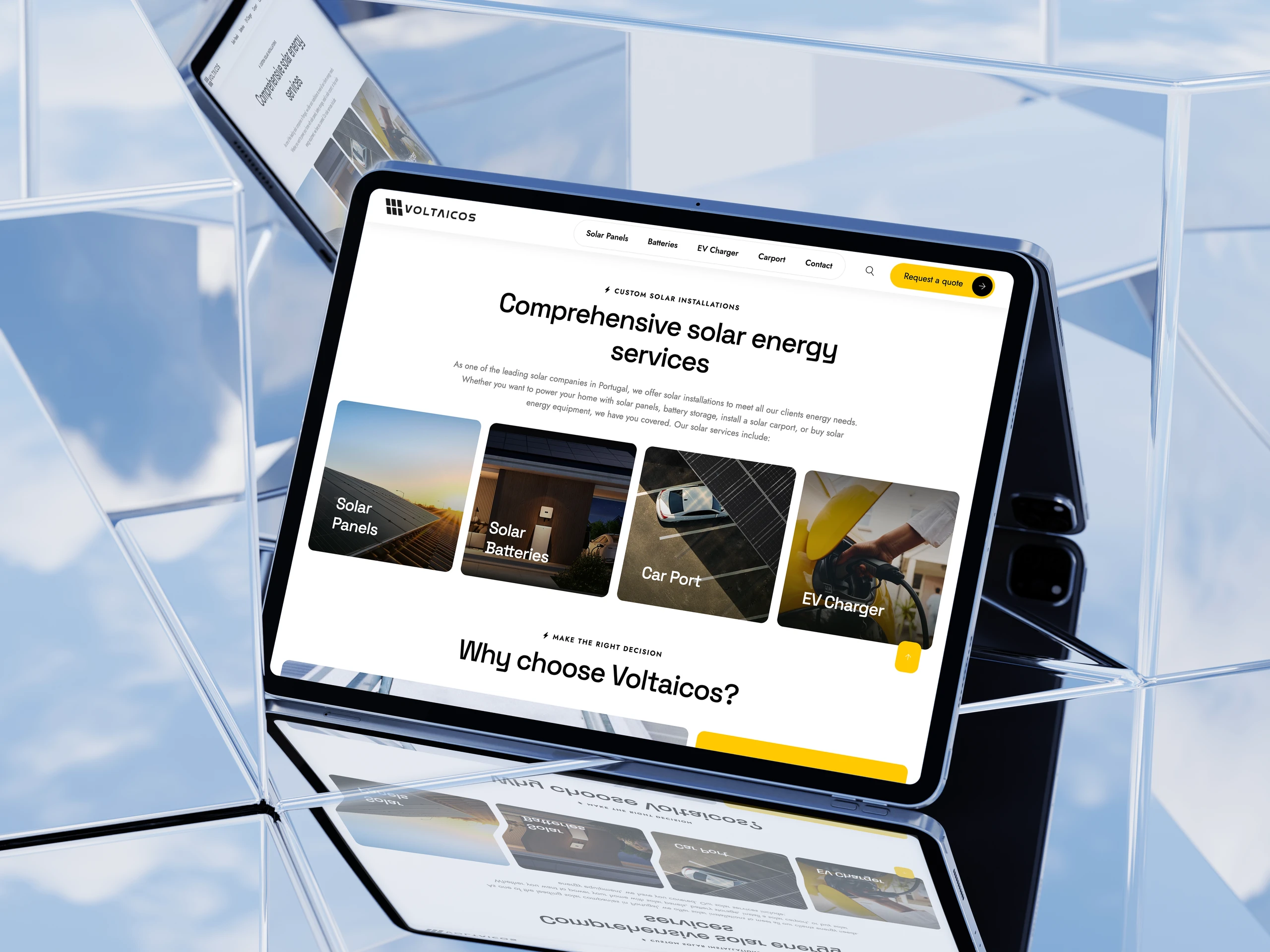
Voltaicos
More qualified solar quote requests, in four languages, from homeowners and businesses across the Algarve.
Read the case study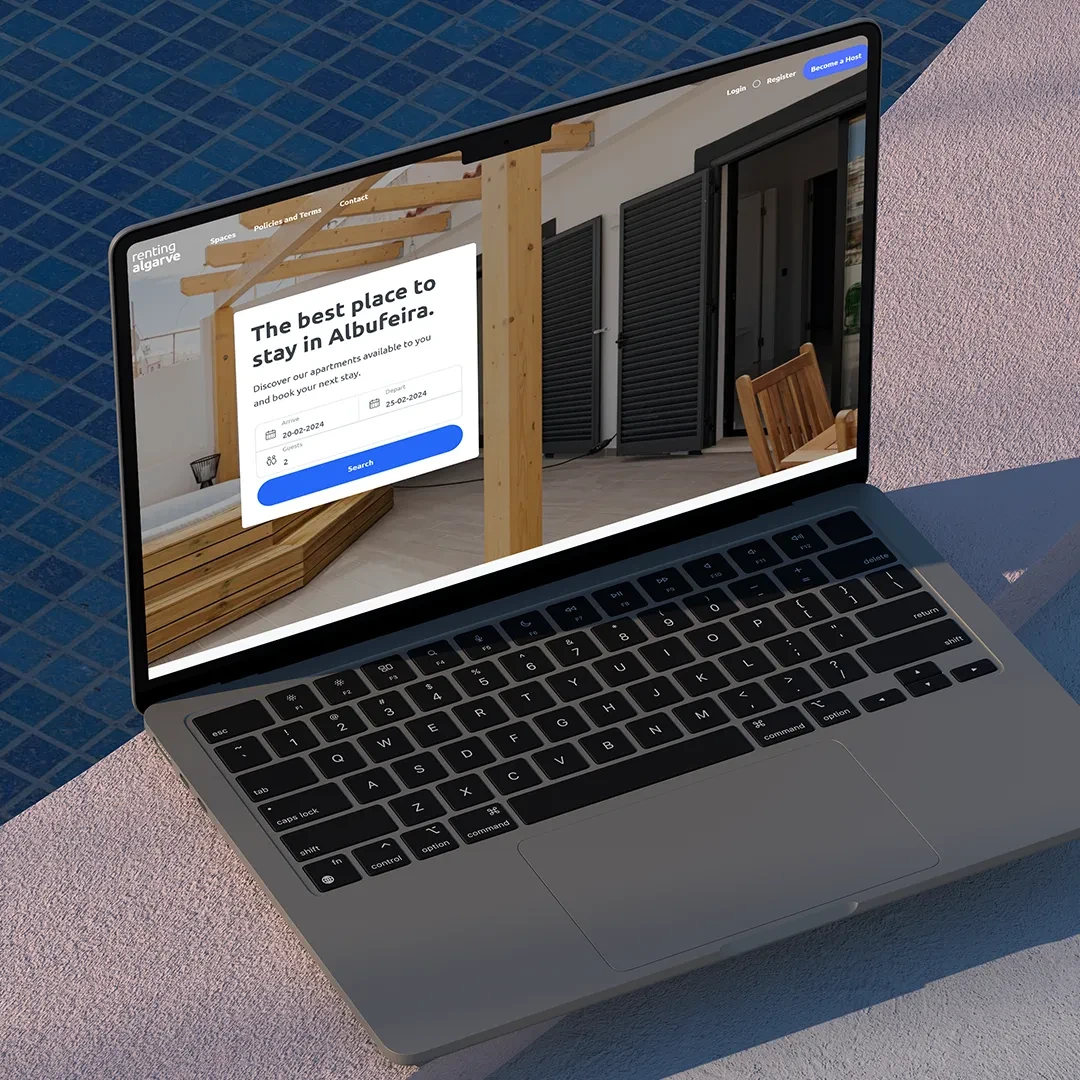
UX/UI Design · Product Design · Booking Platform
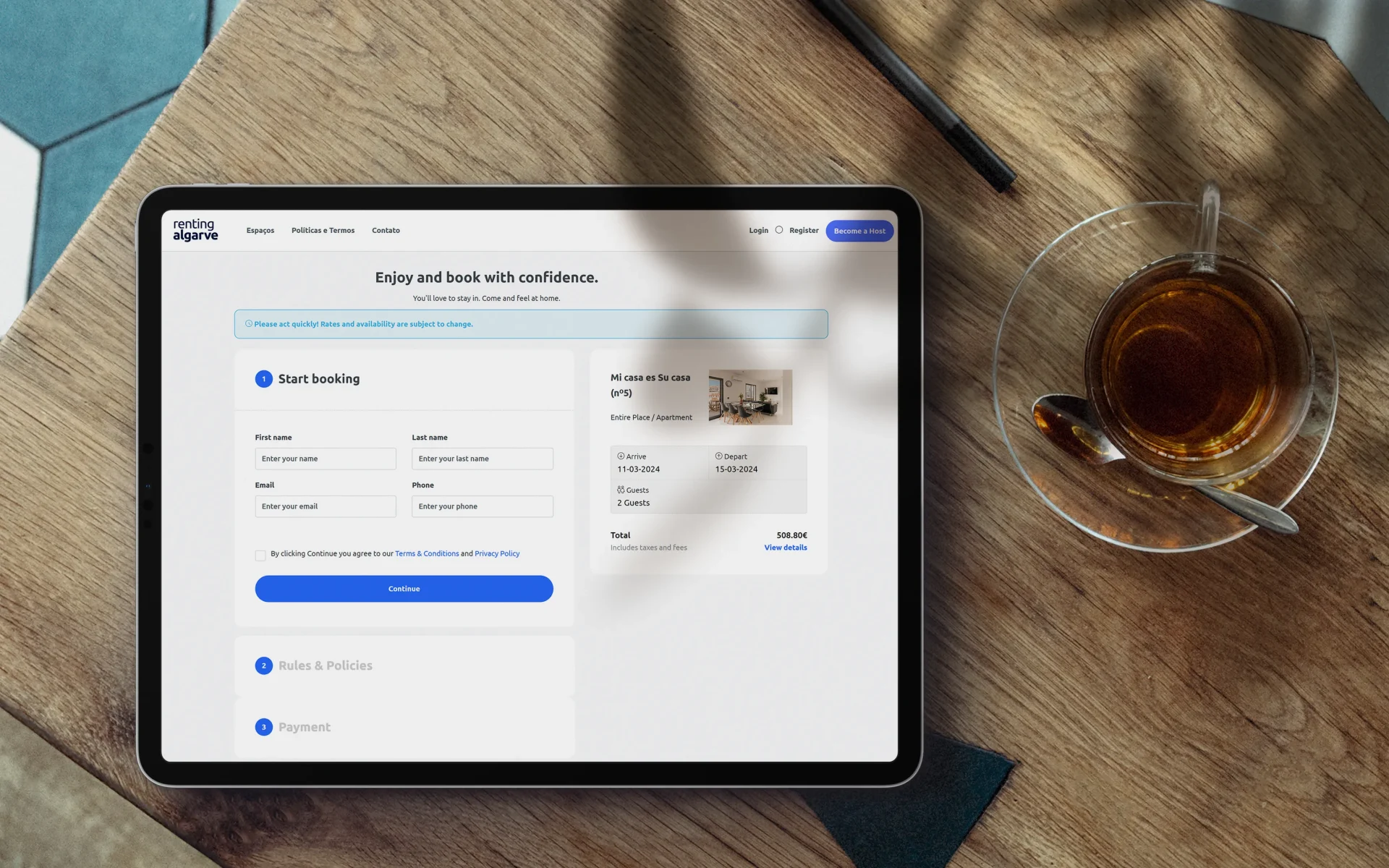
Renting Algarve
A booking portal that turns browsers into confirmed accommodation reservations.
Read the case study
Our work process
We start by understanding your business: what you sell, who buys it, what gets in the way and what success would look like in twelve months.
A.G.
FaceTime Audio
Frequently asked questions
- Is a translation plugin enough?
- Rarely. Automatic plugins usually leave duplicate URLs, missing hreflang and machine copy that ranks badly and reads worse. We build real language routing with translated URLs and content written for each market.
- What is hreflang and why does it matter?
- It tells Google which version of a page belongs to which language and region. Set up correctly, each market ranks on its own page instead of competing with your other languages.
- Do you handle the translation?
- We manage professional translation and localisation, including adapting headlines, examples and calls to action so they land naturally rather than reading like a translated document.
- Can we add a language later?
- Yes. The architecture is built for it, so a new language is a content project rather than a rebuild.
Go multilingual properly. Get a plan, a price and a date.
Tell us which markets matter and what the site does today. Within one working day you get a clear plan for languages, URLs and SEO, with a fixed price and a date.